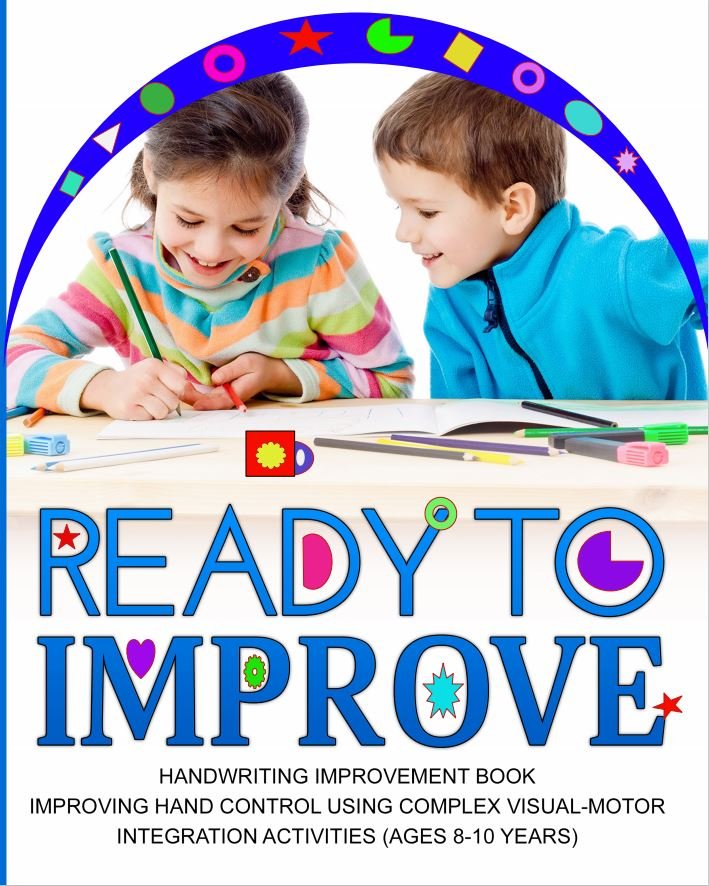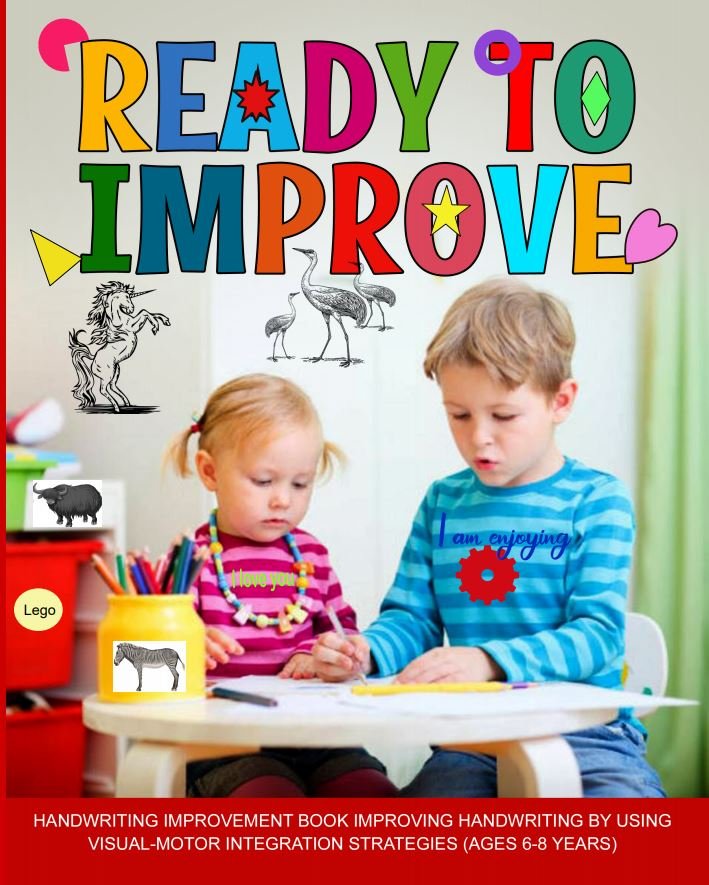
Ready to Improve Handwriting: Practice Book for Ages 6–8
A handwriting practice book for 6–8 year olds that moves step by step from tracing and patterns to letters, words and sentences, created with a senior occupational therapist.
Does your child encounter challenges with handwriting? Do they complain that their hands get tired too quickly when they are writing? If you find yourself scratching your head about how you can support them with this, then look no further than our Ready To Improve handwriting book.
- 📘 Paperback
- 🧠 Created by a special educator & a senior occupational therapist
- 🚚 Printed and shipped by Amazon
“I think of my drawing style like handwriting: it's a mix of whatever handwriting you're born with, plus bits and pieces you've pilfered from other people around you.”— Roz Chast
Why choose this book?
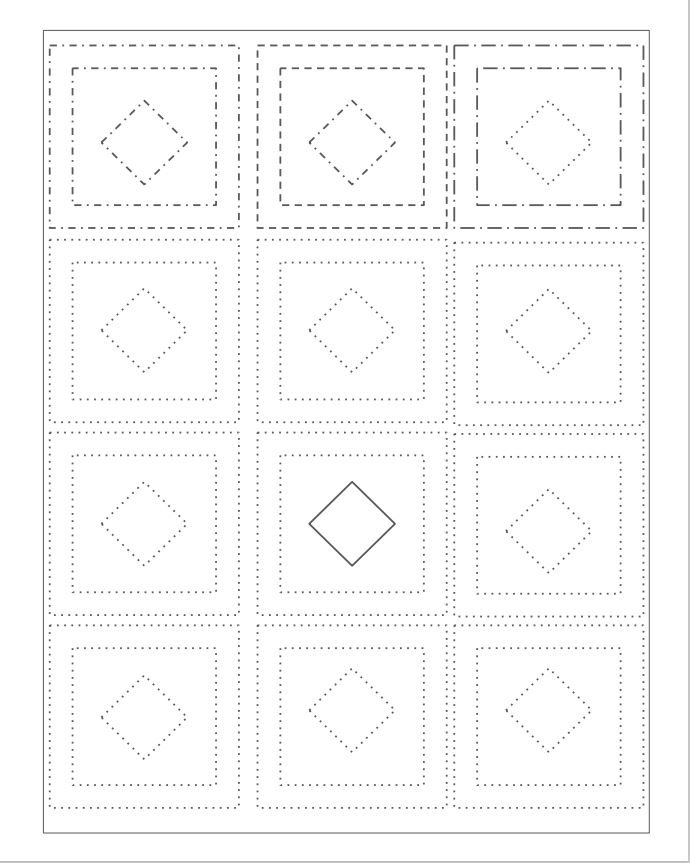
Fun and Visual
There are many fun activities towards the end of the book, which serve as a reward to acknowledge how hard your child has been working.
Traceable Content
A lot of the content in the book is traceable, making it very easy to start out and just follow along.
Fun designs
With engaging designs, this book makes it very engaging for young children.
Progressing Difficulty
Activities in the book start out simple and get increasingly more challenging as your child gets more practice. This helps to keep them motivated to keep wanting to do it.
Look inside
Frequently asked questions
What is the purpose of this book?
This book is designed to guide young learners (ages 6–8) through progressive stages of handwriting. It starts with simple design and tracing exercises to build fine motor control and visual-motor coordination, and gradually moves into actual letter formation, words, and sentences. It helps children develop legible handwriting in a fun, confidence-building way.
What skills does the book help develop?
Fine motor and hand strength — through repeated tracing and design work
Visual-motor integration — coordinating what the eye sees with hand movement
Motor planning and control — planning strokes, curves, spacing
Letter formation and penmanship — progressing from shapes to letters to words
Confidence and fluency — reducing frustration by scaffolded steps
How is the book structured (what is the typical progression)?
Here’s a rough outline of how learners advance:
- Warm-up / design patterns — simple shapes, lines, curves, decorative patterns
- Tracing shapes & with guidance — guided tracing of shapes, loops, strokes
- Basic strokes & components — parts of letters (lines, arcs, loops)
- Individual letters — uppercase and lowercase guided handwriting
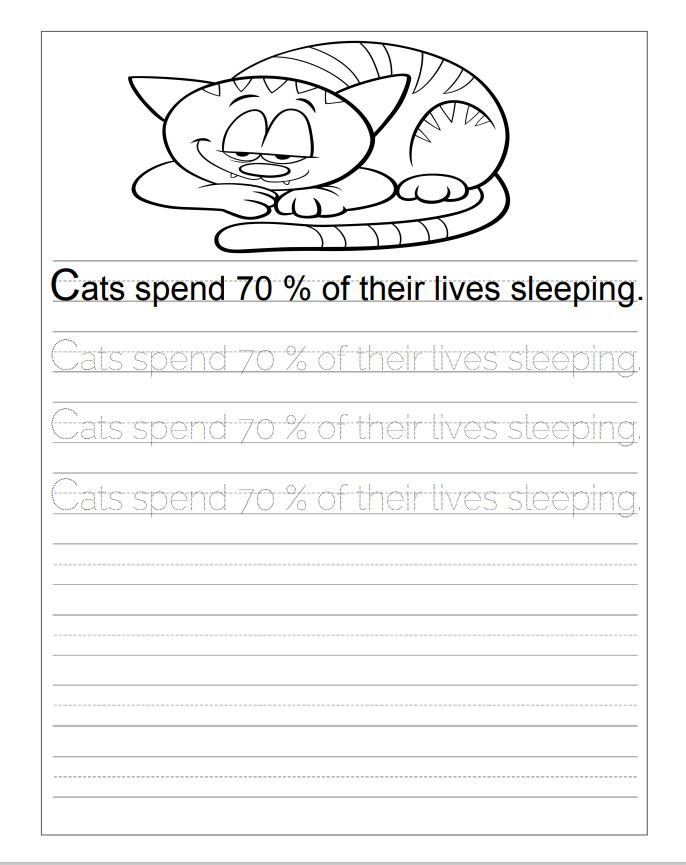
- Words & short sentences — combining letters into small words and sentences
- Independent writing practice — free writing using skills built earlier
This gradual progression ensures learners build a foundation before tackling more complex writing tasks.
How often should a child use this book to see progress?
Ideally, daily or almost daily short sessions (10–15 minutes) are better than occasional long sessions.
Consistent, focused practice helps reinforce muscle memory, reduce fatigue, and build confidence.
Do children need any special tools (pens, pencils, etc.)?
Children will need:
- A pencil (preferably with a good grip)
- An eraser
- Possibly colored pencils or a fine-tip marker for incentive/tracing
You may also provide a comfortable writing position, proper grip guidance, and good lighting.
Is this book suitable for absolute beginners, or do children need prior handwriting experience?
Yes — it is suitable for beginners. Because it starts with simple designs and tracing, even children with minimal handwriting experience can follow along. The gradual ramp-up helps prevent overwhelming learners.
What age or grade level is this book intended for?
The book is targeted at children aged approximately 6 to 8 years old (i.e. early primary school). It is aligned with early handwriting development stages for that age group.
How do you measure a child’s improvement?
You can track progress by:
- Comparing early vs. later pages (neater lines, fewer errors)
- Timing how long it takes to complete a page more smoothly
- Seeing increased confidence and willingness to write
- Noting improvements in spacing, letter shape consistency, alignment
What do parents or teachers need to watch out for?
Fatigue — avoid long sessions that tire the hand
Frustration — keep it positive; praise small gains
Poor grip — correct pencil grip early
Sloppy posture — ensure the child sits upright, with proper paper angle
Rushing ahead — ensure mastery of earlier pages before skipping forward
Can this book be used alongside school handwriting programs or curricula?
Absolutely — it can complement school work. Because it reinforces foundational skills, it can help children reinforce the handwriting techniques taught in class. You may wish to align its exercises with the school’s script or style (e.g. block, cursive, slanted).
What makes this book different from other handwriting practice books?
It progresses from easy to complex (design → letters → sentences)
It emphasizes visual-motor integration strategies early on
It balances skill-building with creativity
It’s tailored specifically for ages 6–8, bridging design play with real writing
Are there suggestions for extensions or adaptations?
Add fun themes or prompts (e.g., write about your pet, favorite food)
Use colored pencils for tracing before pencils
Encourage copying short poems or quotes once confident
Incorporate handwriting in real tasks (letters, cards, labeling)
Use timed “speed-then-neat” drills as children grow in ability
Will this book help with cursive or joined-up writing later?
Yes — by building strong control of basic letter shapes, spacing, and consistency, children are better prepared for more advanced skills like cursive or joined writing later. Once they master print style, transitioning to cursive becomes smoother.

About Newbee Publication
Newbee Publication is an Irish publisher of children’s books, workbooks and wellbeing journals. Our books are written by a special educator and a senior occupational therapist with over 30 years of experience, drawing on real work with children, families and older adults.
Not sure where your child needs support?
Locus Thrive is our home programme app, created by a senior occupational therapist. Start with a free screening and get activities matched to your child.