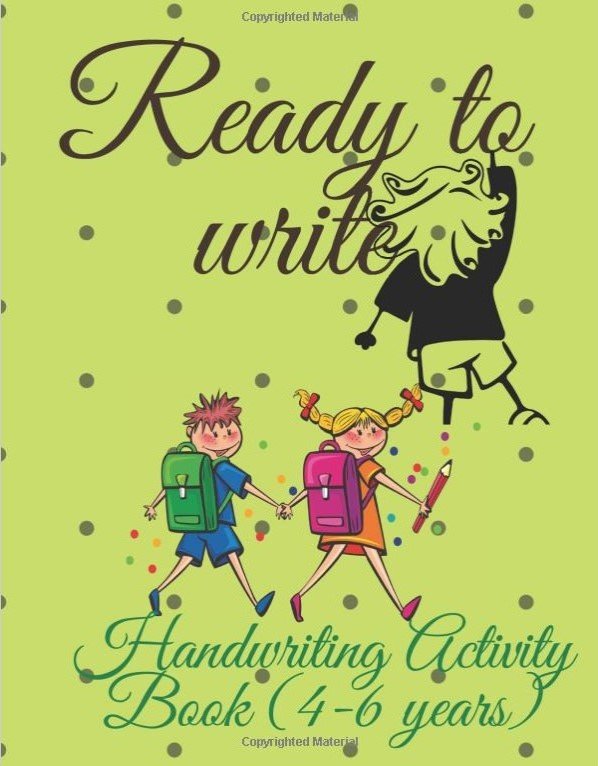
Ready to Write: Handwriting Activity Book for Ages 4–6
A wordless pre-writing book for 4–6 year olds: lines, curves and patterns that build pencil control and hand strength before children start forming letters.
You can get started on your child's handwriting early, a skill that might be lost in the near future. This handwriting activity book is suitable for children aged 4- 6 and gets them the learn the skill of handwriting without ever writing an actual word.
- 📘 Paperback
- 🧠 Created by a special educator & a senior occupational therapist
- 🚚 Printed and shipped by Amazon
“Somehow I started introducing writing into my drawings, and after a time, the language took over and I started getting very involved with the handwriting and then the look of the handwriting.”— Patti Smith
Why choose this book?
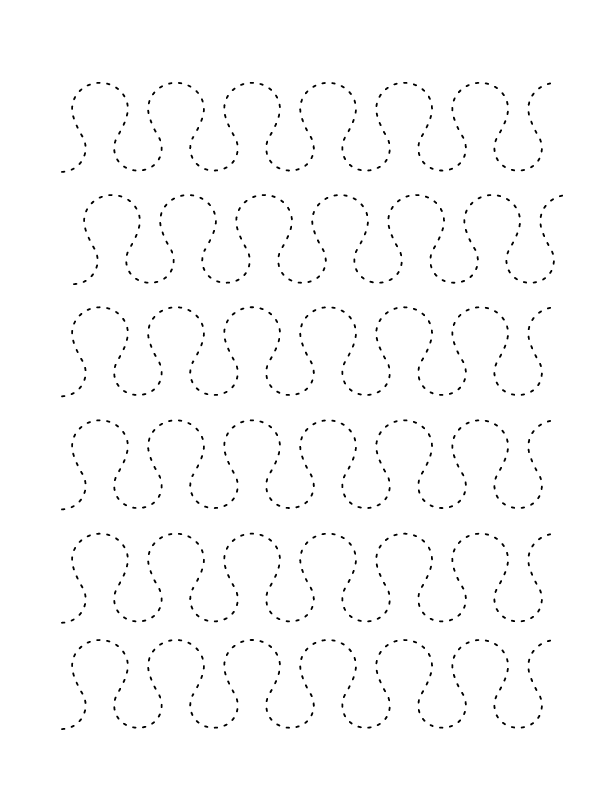
Fun and Visual
With engaging designs, this book makes it very engaging for young children. It's not just your boring blank writing book!
Not Repetitive
Handwriting books can often feel very repetitive, getting you to do similar sentences all the time. This book keeps each page fresh to make it more enjoyable.
Developmentally Adjusted For 4-6 Year Old's
Designed with the average 4-6 year old in mind, this book offers developmentally appropriate tasks for your child to complete.
No words!
At a time when your child may not be familiar with many spellings and letters. It's best to get them to learn how to use a pencil rather than write.
Look inside
Frequently asked questions
What age is this book for?
It’s designed for preschool to early primary children—typically around ages 4–6. Younger children (3+) can use it with close adult guidance.
What do you mean by “wordless”?
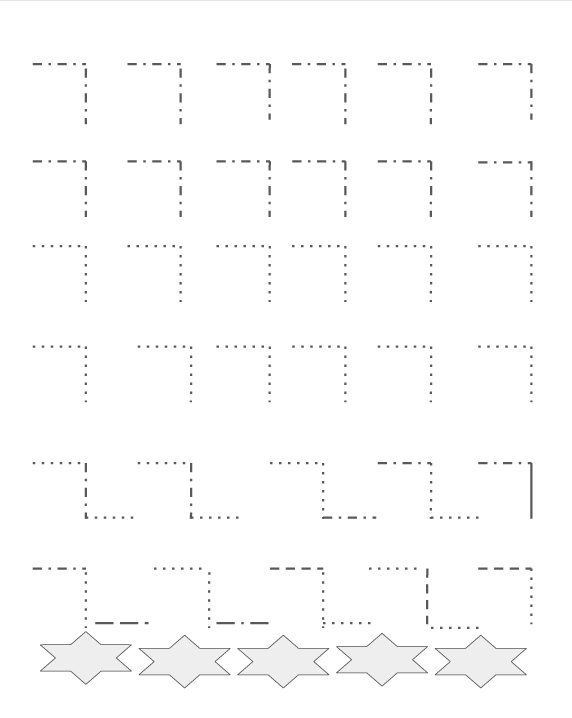
Every page uses simple shapes, lines, and patterns—no written instructions or letters. This lets children in any language environment practice pencil control without needing to read.
How do patterns help handwriting if there are no letters?
Before children write letters, they need strong pre-writing strokes (lines, curves, crosses, circles) and the ability to copy basic shapes. Practicing these builds fine-motor control and visual-motor integration, which makes later letter formation much easier.
The Times: cambspborochildrenshealth.nhs.uk
What skills does this book build?
Pencil/pen control (start/stop, staying on a path)
Hand strength and endurance from short, regular practice
Visual-spatial awareness (direction, size, alignment)
Bilateral coordination (using the helper hand to steady the page)
These are the core foundations of neat handwriting.
How should we use it at home or in class?
Keep sessions short: 5–10 minutes, 3–5 days/week.
Start big, then go smaller (trace with a finger first, then crayon/pencil).
Encourage smooth, top-to-bottom / left-to-right movements.
Celebrate effort, not perfection.
What writing tools work best?
Soft triangular pencils, jumbo crayons, or felt-tip pens with low bleed. Avoid heavy markers that show through thin paper.
Is it suitable for left-handed children?
Yes. Seat left-handers slightly left of center of the table, tilt the page clockwise, and keep the wrist straight. Show the same stroke directions; just mirror the paper angle.
Does this book replace alphabet workbooks?
No. It prepares children for letters. Many educators and OTs recommend mastering basic shapes and lines first; children are typically ready for letters once they can copy several geometric shapes consistently.
Can it help children with dyspraxia, ADHD, or autism?
It can be a helpful, low-pressure tool for building pre-writing control, but it’s not a therapy program. If you have concerns, consult a pediatric occupational therapist for personalized guidance.
How do I prevent smudging or page bleed-through?
Use dry media (pencil/crayon) or place a spare sheet underneath. If you want reusability, laminate favorite pages or slip them into wipe-clean pockets and use dry-erase pens.
How do we keep kids motivated?
Mix it with whole-body and fine-motor play (playdough, bead threading, pegboards, vertical drawing on an easel). Whole-body strength supports better pencil control at the table.
How fast should we progress?
Follow your child’s pace. Repeat pages they enjoy; revisit trickier paths later. Short, consistent practice beats long, infrequent sessions.
Can teachers use it for centers or RTI?
Absolutely. It works well in fine-motor centers, morning tubs, or as a calm-down task. Because it’s wordless, it supports multilingual classrooms and inclusive groups.
Will this book teach grip?
It supports good grip by giving purposeful practice. If your child still fists the pencil or tires quickly, try short tasks, thicker tools, or a triangular grip aid—and model a relaxed “pinch-and-rest” hold.
How long does it take to finish the book?
There’s no set timeline. Many families/teachers cycle through pages multiple times as skill and confidence grow.

About Newbee Publication
Newbee Publication is an Irish publisher of children’s books, workbooks and wellbeing journals. Our books are written by a special educator and a senior occupational therapist with over 30 years of experience, drawing on real work with children, families and older adults.
Not sure where your child needs support?
Locus Thrive is our home programme app, created by a senior occupational therapist. Start with a free screening and get activities matched to your child.